
How to Tell if a Pool Sand Filter Needs Changing?
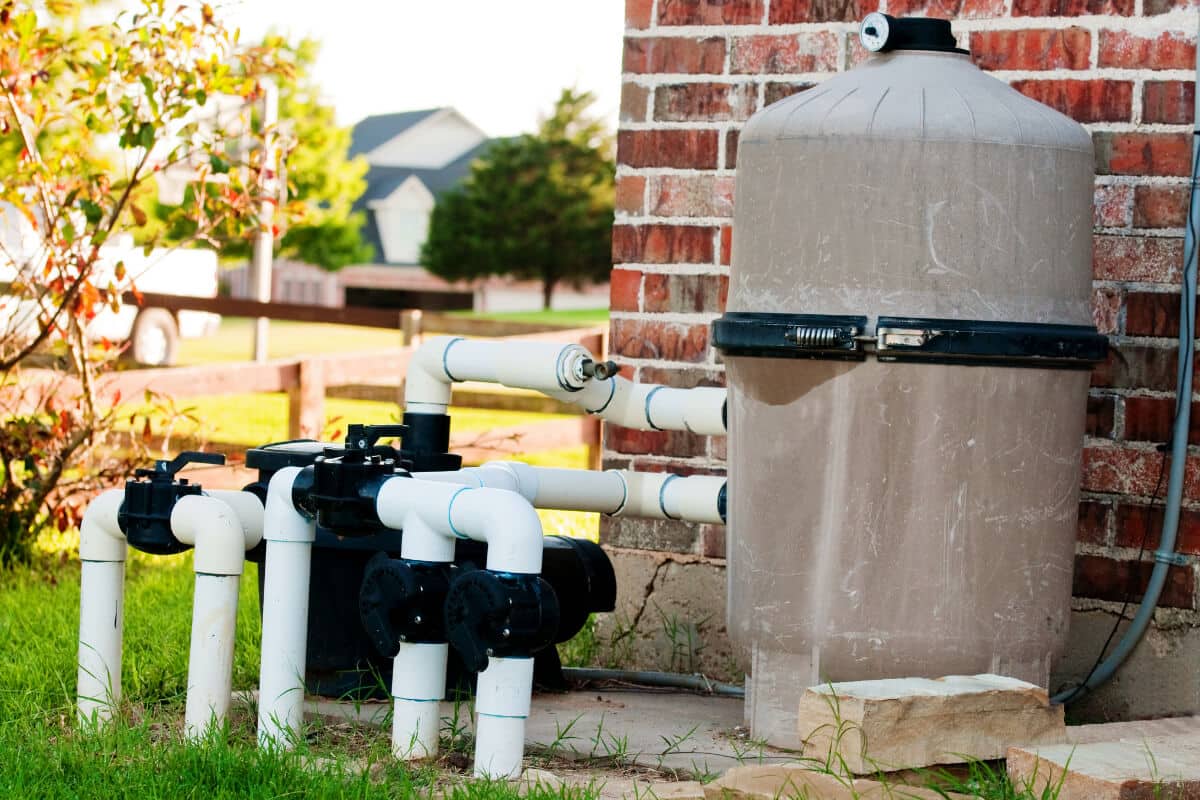
A pool sand filter plays a big role in keeping your water clean and clear, but many pool owners do not realize that the sand inside the filter does not last forever. Over time, filter sand wears down, clumps together, and becomes less effective at trapping dirt and debris.
When this happens, you may notice cloudy water, poor circulation, or dirt returning to the pool even after vacuuming. These are often signs that the sand is no longer doing its job, not that your chemicals are off.
In this guide, we will walk through the most common signs that a pool sand filter needs changing, how long filter sand typically lasts, and how to decide whether a simple backwash is enough or if it is time for a full sand replacement.
How a Pool Sand Filter Works
A pool sand filter cleans your water by pushing it through a tank filled with special filter sand. As water flows through the sand, dirt, debris, and small particles get trapped between the grains, allowing clean water to return to the pool.
When the sand is new, the grains have sharp edges that are very effective at catching contaminants. Over time, those edges wear down and become smooth. Oils, sunscreen, and debris can also cause the sand to clump together, creating channels where water passes through without being properly filtered.
As the sand becomes less effective, the filter may still run, but it will not clean the water as well as it should. This is why older sand can lead to cloudy water and other filtration problems even when the system appears to be working normally.
How Often Should Pool Filter Sand Be Changed?
In most residential pools, filter sand should be changed every 3 to 5 years. This timeframe can vary depending on how often the pool is used, water quality, and how well the filter is maintained.
Pools that are used frequently, have heavy debris, or struggle with algae may need the sand replaced sooner. On the other hand, lightly used pools with good water balance and regular backwashing may get closer to the five-year mark.
If you are unsure when the sand was last changed, age alone can be a strong indicator. Even if the water looks acceptable, older sand is usually less efficient and can make the filter work harder than necessary.
Signs Your Pool Sand Filter Needs Changing
One of the most common signs is cloudy or dull pool water, even when your chemical levels are balanced. If the filter is running but the water never looks fully clear, the sand may be worn out.
Another warning sign is dirt returning to the pool after vacuuming. If you vacuum debris and see it come back through the returns, the sand may no longer be trapping particles effectively.
You may also notice higher-than-normal filter pressure or pressure that rises quickly after backwashing. This can indicate clumping or channeling inside the filter.
Poor circulation or weak return jets can also be a clue, especially if the pump and plumbing are otherwise in good condition.
If algae keeps coming back despite proper sanitization, ineffective filtration from old sand could be part of the problem.
Check the Age of Your Filter Sand
Knowing how old your filter sand is can make the decision much easier. If the sand has been in the filter for more than three to five years, it is likely past its most effective lifespan.
If you installed the pool or filter yourself, check any maintenance records or receipts to see when the sand was last replaced. For homes you recently moved into, this information is often unknown.
When the age is unclear, assume the sand is old if you are experiencing filtration issues. Replacing aged sand is often a simple fix that improves water clarity and reduces ongoing maintenance problems.
Inspect the Sand and Filter Performance
If you are comfortable opening the filter, inspecting the sand can provide useful clues. Worn sand often looks smooth, rounded, or clumped together instead of loose and gritty.
Clumping can lead to channeling, where water creates paths through the sand and bypasses proper filtration. When this happens, the filter may run normally but allow dirt to pass straight through.
You may also notice that backwashing no longer improves performance for very long. If pressure drops only briefly or water clarity does not improve after backwashing, the sand may no longer be doing its job.
These performance changes are strong indicators that replacing the sand is more effective than continued cleaning.
Backwashing vs Replacing the Sand
Backwashing is designed to clean the sand by flushing out trapped debris, and it is an important part of regular pool maintenance. However, backwashing only removes dirt, not wear and tear on the sand itself.
If backwashing restores normal pressure and water clarity for a reasonable amount of time, the sand is likely still in good condition. If problems return quickly, the sand may be worn, clumped, or channeled.
Many pool owners assume frequent backwashing will fix filtration issues, but over time it becomes less effective. When backwashing no longer improves performance, replacing the sand is usually the correct solution.
What Happens If You Do Not Change the Sand
When filter sand is not replaced on time, water quality usually continues to decline. Cloudy water, visible debris, and recurring algae problems become harder to control even with proper chemical balance.
Old sand also forces the pump to work harder, which can increase energy use and put extra strain on the filtration system. Over time, this can lead to premature wear on the pump and other components.
Ignoring worn filter sand often leads to higher chemical costs, more maintenance time, and frustration. Replacing the sand at the right time helps protect your equipment and keeps the pool easier to maintain.
Should You Change the Sand Yourself or Hire a Professional?
Changing pool filter sand can be done as a DIY project, but it does require time, effort, and proper handling. Sand filters are heavy, and removing old sand can be messy and physically demanding.
For experienced pool owners with the right tools, a DIY replacement can save money. However, it is important to avoid damaging internal components like laterals during the process.
Hiring a professional makes sense if you are unsure, short on time, or dealing with a large or older filter. A professional can also inspect the filter for other issues and ensure the correct amount and type of media is installed.
Quick Checklist: Does Your Sand Filter Need Changing?
Use this simple checklist to decide if it is time to replace your pool filter sand.
- If your pool water stays cloudy even with balanced chemicals, that is a warning sign.
- If dirt comes back into the pool after vacuuming, the sand may be worn out.
- If filter pressure rises quickly after backwashing, the sand may be clumping or channeling.
- If the sand is more than three to five years old, replacement is likely overdue.
- If backwashing no longer improves performance, changing the sand is usually the best option.
If you answered yes to more than one of these, replacing the sand can significantly improve filtration and water clarity.